China Best 3D Display Technology Manufacturers & Manufacturer

Engineering the Future of Spatial Visualization, High-Definition Autostereoscopic Solutions, & Global LED Customization

3D Display Technology: Industrial Transformation & Global Demand

An executive whitepaper on autostereoscopic visualization, structural optimization, and the manufacturing capabilities driving spatial computing interfaces.

The Global Evolution of Autostereoscopic (Naked-Eye) 3D Screens

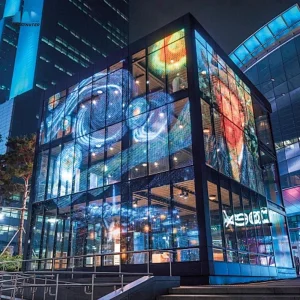
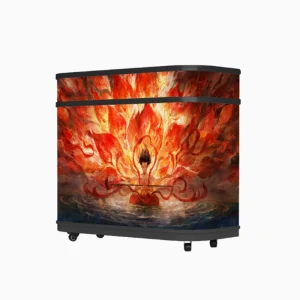
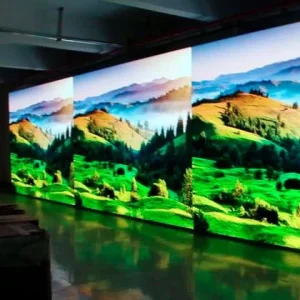
Autostereoscopic display technology, commonly referred to as "Naked-Eye 3D," represents the next frontier in digital signage and visual communications. By bypassing the need for specialized polarized eyewear, modern 3D LED screens utilize high-precision lenticular lenses or active parallax barriers layered over high-refresh LED substrates. The result is an immersive depth perspective that forces visual projection beyond the structural borders of the screen.

Globally, the integration of 3D display systems is expanding rapidly across industries:

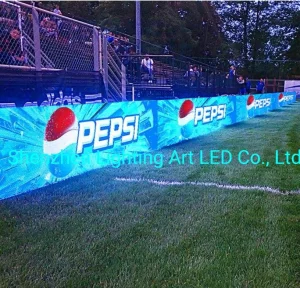
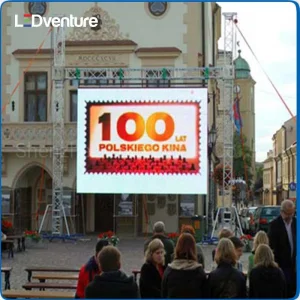
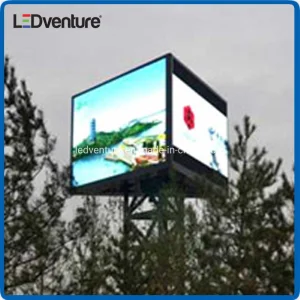
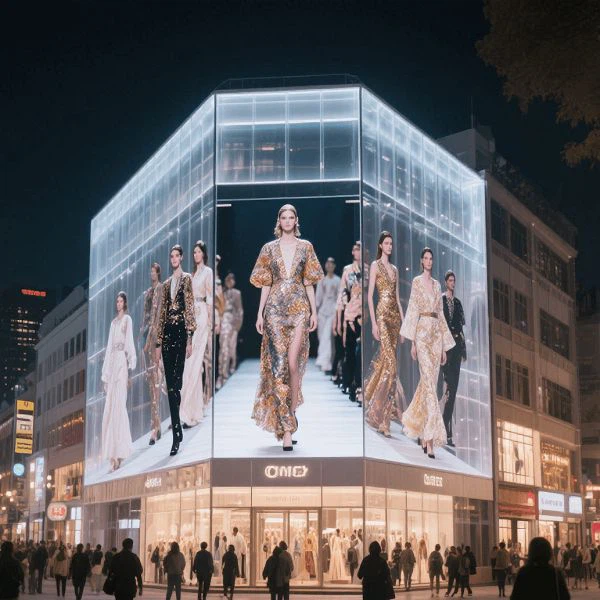
  • Digital Out-Of-Home (DOOH): Architectural-scale curved LED corners utilizing customized perspective matrices to yield high-impact marketing impressions.
  • Virtual Production & Broadcast: Real-time rendering engines syncing with Fine Pixel Pitch GOB/COB screens to replace traditional green screens.
  • Medical and Simulation Engineering: True spatial depth visualization helping practitioners observe volumetric data models with extreme precision.
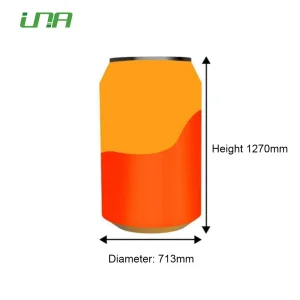
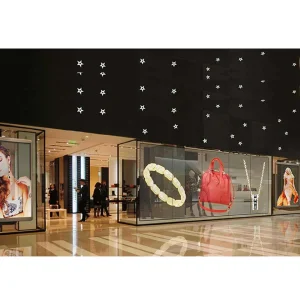
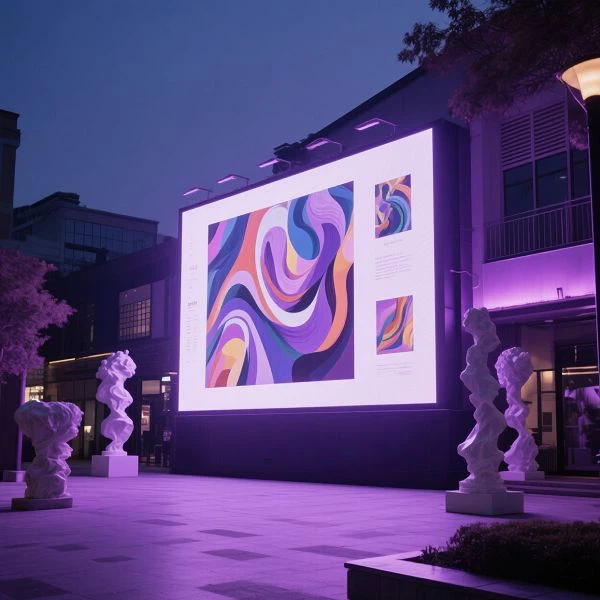
  • Smart Retail & Corporate Spaces: High-end custom screen modules, such as irregular or cylindrical shapes, delivering localized branding stories.

According to industry data, naked-eye 3D systems capture up to 8.5 times higher engagement and recall levels than traditional flat panels. This makes it a highly valuable technology for operators aiming to improve return on advertising spend (ROAS) and visual differentiation.

Why China is the Global Hub for Custom 3D LED Production

China's manufacturing sector maintains a strong position in the global LED display and 3D visualization supply chain. Shenzhen, where our facilities operate, provides a highly integrated ecosystem that coordinates raw semiconductor processing, driver IC packaging, high-speed SMT assembly, and optical system calibration in close proximity.

This concentration of technology and supply chain infrastructure yields concrete advantages for international procurement teams:

  1. Agile Customization Cycles: Complex physical engineering modifications (curved panels, cylindrical wraps, irregular polygon cabinets) can be prototyped, thermally evaluated, and put into production within weeks rather than months.
  2. Vertical Integration of Core Components: Direct access to premium LED component manufacturers (e.g., Nationstar, Kinglight) and advanced control systems (e.g., NovaStar, Colorlight) allows factories to optimize configurations to meet specific project budgets.
  3. Unparalleled Scale Economies: High manufacturing volumes lower the cost of raw materials, allowing Chinese manufacturers to offer competitive pricing even for small-batch custom projects.
20+
Years Industry Leadership (Since 2003)
30,000㎡
Monthly Manufacturing Capacity
1-10
Workday Rapid Assembly Lead Time
99.6%
First-Time Quality Qualification Rate

Shenzhen Sync LED Co., Ltd.

Pioneering Global LED Screen Integration & Customized Display Architecture

Founded in 2003, Shenzhen Sync LED Co., Ltd. has been a pioneer in the LED display industry for over two decades. From our humble beginnings in Xiamen, China, we have grown into one of the most reputable suppliers of LED display solutions globally. Our commitment to cutting-edge technology, exceptional quality, and customer-centric innovation has earned us a trusted position in the market.

Sync LED is dedicated to providing tailored solutions with industry-leading performance. We offer 100% customization for all types of LED displays, adapting everything from brightness levels to lamp beads, and even the shape and structure of each display. Whether you're looking to create a striking outdoor screen or an indoor video wall, we’ll work with you to design the perfect solution.

Our comprehensive services, superior products, and competitive pricing have built long-lasting relationships with our customers, ensuring their trust and satisfaction.
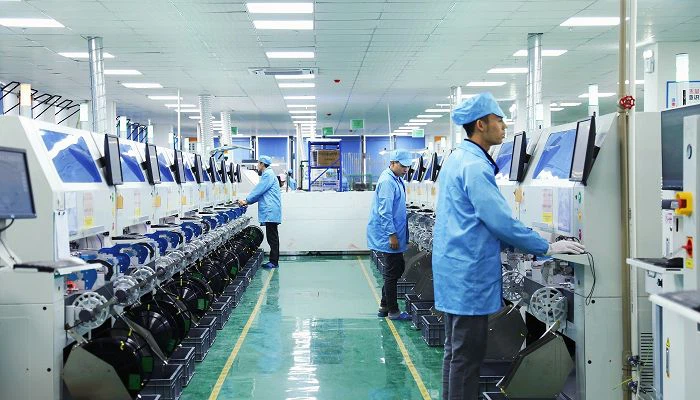
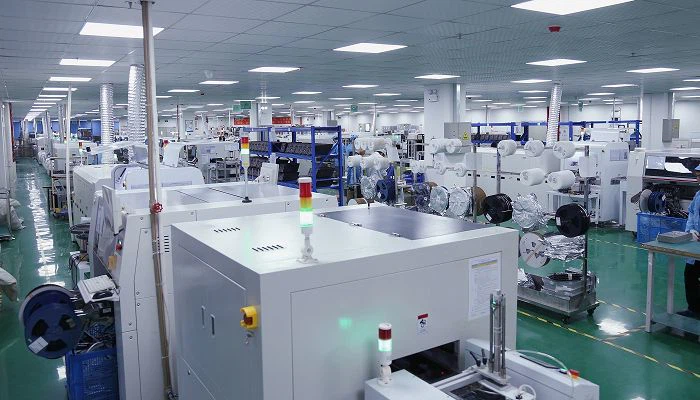
Shenzhen Sync LED Factory Facility

Full-System QC: Engineering Reliability for Harsh Environments

How Sync LED maintains a 100% ex-factory qualification rate through strict optical, thermal, and mechanical stress testing.

AOI Precision Quality Control

Automated Optical Inspection scans microscopic solder joints and SMD placement down to sub-millimeter tolerances, avoiding pixel dropouts and electrical shorts.

Thermal Cycling (-30°C to 60°C)

Cabinets undergo extreme hot and cold storage cycles in our environmental simulation chambers, validating structural reliability for sub-zero and desert conditions.

Spectroradiometer Calibration

We calibrate chrominance and luminance values to ensure uniform white balance and accurate color reproduction across the entire LED surface.

Gamma Correction & Uniformity Testing

Adjusting grayscale output response curves dynamically to ensure transitions from black level values to maximum peak brightness remain smooth and linear.

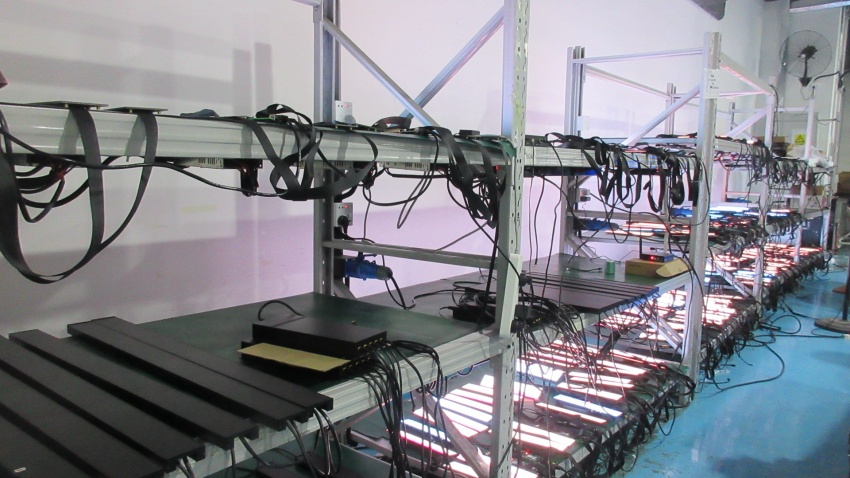
72-Hour Continuous Aging Test

Every completed display panel is run at high brightness load profiles for 72 hours continuously, allowing us to screen out component failures before packaging.

Advanced Production Line & Global Compliance

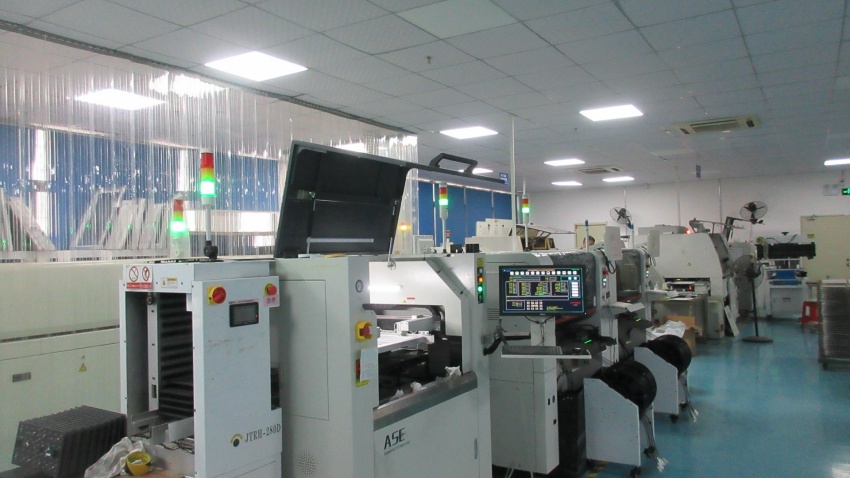
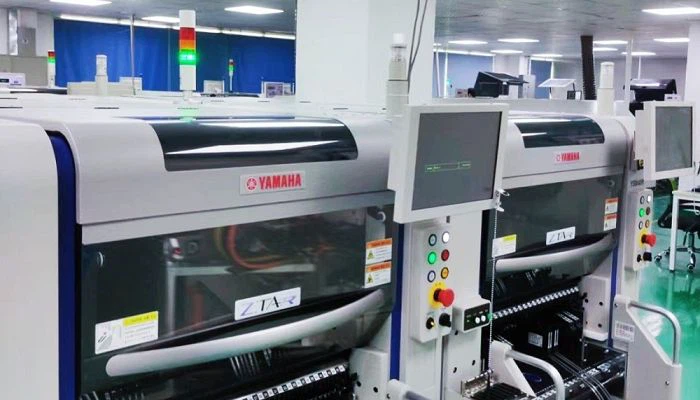
Our Shenzhen facility uses high-precision SMT placement and automated reflow ovens to guarantee high build quality.

Sync LED is committed to maintaining international standards of quality. Our products are certified with RoHS, FCC, CE, and other relevant certifications, ensuring compliance with global regulatory requirements.

Located in the technology hub of Shenzhen, China, our manufacturing facility is equipped to handle both large-scale orders and custom projects. We are proud to offer:
  • Automatic printing machines for solder paste application on multi-layer PCBs.
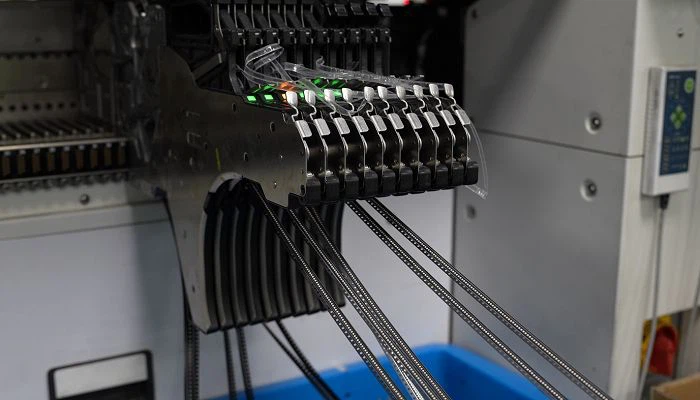
  • High-speed placement machines configured to handle tiny pixel pitch components.
  • 12-zone reflow soldering systems to ensure strong mechanical and electrical connections.
  • Vacuum Packing Machinery to protect sensitive modules from moisture during sea transit.
RoHS FCC CE Certification Certificates
Aging Test Bay Area
Aging test
Vacuum Packing Process
Vacuum Packing Machine
High Speed SMT Assembly Line
SMT line
Automatic Soldering Inspection
Optical Inspection
Reflow Soldering Oven Zone
12-Zone Reflow Soldering
Quality Inspection Stations
Ex-Factory Quality Inspection

Global Service Architecture & Lifecycle Support

Ensuring system uptime and optimal calibration values throughout the lifespan of your custom 3D displays.

24/7 Technical Operations Support

Our specialized engineering team is available 24/7 to assist with remote control configuration, network troubleshooting, and spatial mapping calibration.

On-Site Engineering Support

For complex architectural projects, virtual production stages, and large commercial rollouts, we can dispatch engineers to assist with mechanical mounting and display configuration.

Modular Spare Parts Policy

We ship additional matching batch modules, receiving cards, and power supply units with every order. This allows you to perform hot-swaps without affecting display color calibration.

Frequently Asked Questions (FAQ)

Key technical and logistics inquiries resolved by our design engineers.

What is the difference between GOB and COB technologies for 3D displays?
GOB (Glue on Board) uses a specialized transparent epoxy resin layer on top of standard SMD modules. This coating protects the LEDs from dust, moisture, and impact (achieving IP65 face protection) while keeping colors uniform. COB (Chip on Board) mounts the semiconductor chips directly onto the PCB substrate, eliminating wire bonds. This allows for smaller pixel pitches (often sub-1.0mm) and helps heat dissipate more efficiently, making it suitable for close-up indoor viewing.
How does naked-eye 3D technology achieve spatial depth?
Naked-eye 3D relies on stereoscopic vision principles. By using specialized optical structures—like micro-lenticular sheet lenses or parallax barriers—we divide and guide light rays to the viewer's left and right eyes separately. When combined with custom video files rendered for specific viewing angles (often designed around curved or right-angle screens), the viewer's brain interprets the offset images as a single 3D scene with actual depth.
Why is Sync LED's lead time faster than the industry average?
We handle key stages of assembly in-house at our Shenzhen factory. Our operations integrate raw material sorting, high-speed SMT assembly, reflow soldering, and automated optical testing. This reduces external coordination delays and allows us to offer lead times of 1-10 workdays for most standard and semi-custom configurations.
Can the shape and layout of 3D screens be customized?
Yes, we support 100% custom layouts. We can manufacture cylindrical screens, irregular polygons, right-angle corner seams, and wave-like curves. Our mechanical engineering department designs custom chassis and cabinet panels to ensure seamless integration and consistent pixel pitch across the entire structure.
How do you test outdoor panels for extreme weather?
Outdoor panels undergo thermal cycling tests ranging from -30°C to 60°C to simulate cold and hot conditions. We also run high-pressure water spray tests to verify IP65 protection ratings, and conduct structural wind load analysis on the aluminum alloy chassis to ensure they can withstand demanding outdoor environments.